
How to Optimize Your IT Support for Seasonal Demand


Understanding Seasonal Demand in IT Support
Many businesses experience fluctuations in demand throughout the year. Retailers, for example, often see spikes during the holiday season, while tax preparation firms are busiest in the first quarter. Understanding these patterns is crucial for optimizing your IT support to meet increased demands efficiently.

Analyze Historical Data
Begin by analyzing historical data to identify peak demand periods. Look at past years to find trends and patterns. This data will help you predict future demand and prepare your IT support team accordingly. By understanding when demand is likely to surge, you can allocate resources effectively and minimize disruptions.
Scalable Support Solutions
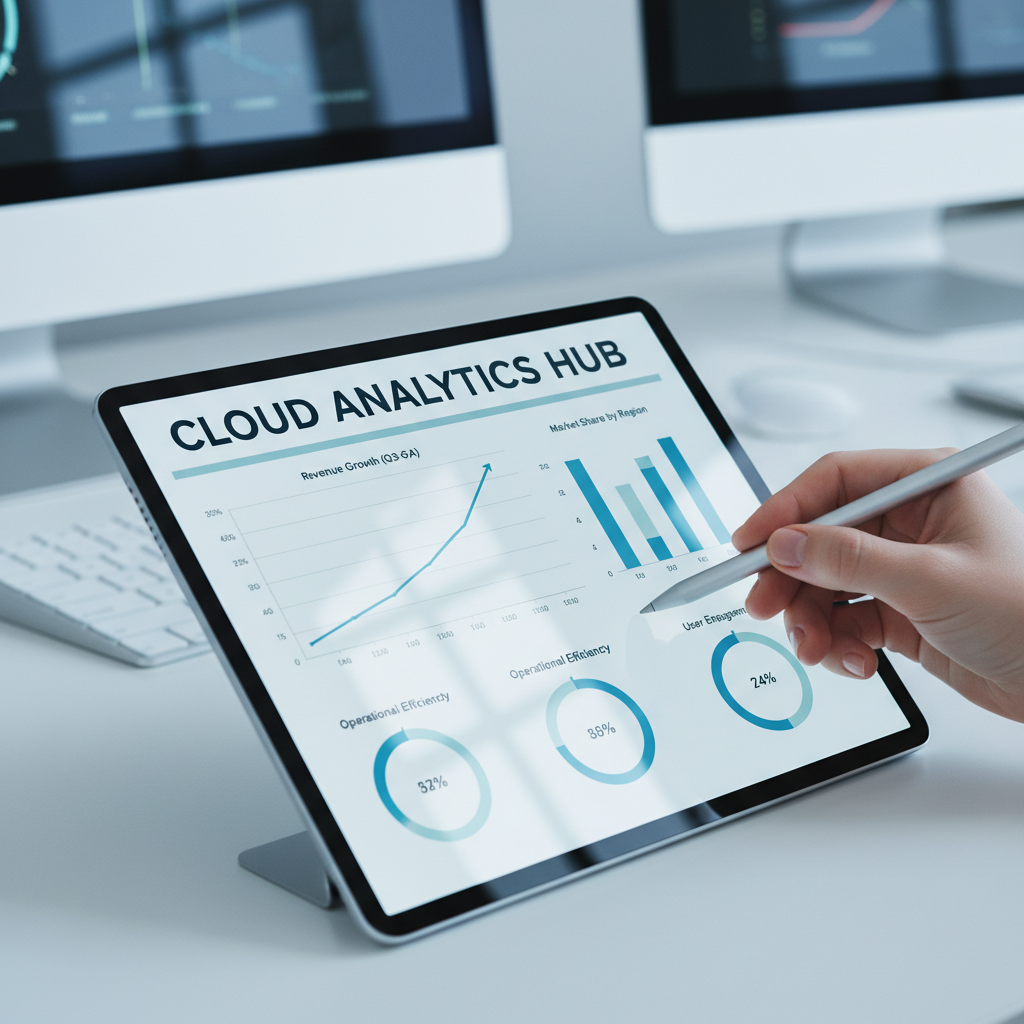
Implementing scalable support solutions is key. Consider cloud-based services that allow you to adjust capacity quickly in response to demand changes. This flexibility ensures that your IT infrastructure can handle increased loads without sacrificing performance or user experience.
Training and Cross-Training Staff
Ensuring your IT support team is well-trained is essential for handling seasonal demand. Regular training sessions can keep your staff up-to-date with the latest technologies and practices. Additionally, cross-training employees in different areas can provide a versatile support team ready to tackle various challenges.
Utilize Temporary Staff
During peak seasons, hiring temporary IT support staff can alleviate the pressure on your permanent team. Temporary workers can handle overflow tasks, allowing your core team to focus on critical issues. This strategy not only ensures efficient service but also prevents burnout among your regular employees.

Automate Routine Tasks
Automation can significantly reduce the workload on your IT support team during high-demand periods. Implementing automated systems for routine tasks like password resets or system updates frees up your staff to focus on more complex issues. This not only improves efficiency but also enhances customer satisfaction.
Monitor and Adjust in Real-Time
Real-time monitoring of your IT systems is crucial during peak demand times. Use monitoring tools to track performance and identify potential bottlenecks before they become significant issues. By keeping a close eye on system health, you can make necessary adjustments swiftly to maintain optimal performance.
Review and Reflect Post-Season
After the peak season passes, conduct a thorough review of your IT support performance. Identify what worked well and areas for improvement. Gathering feedback from your team and customers can provide valuable insights for future optimization efforts.

By following these strategies, you can ensure that your IT support is well-prepared to handle seasonal demand effectively. This proactive approach not only improves operational efficiency but also enhances customer satisfaction, ultimately contributing to your business's success.